Stop Being a Doormat: Learn How to Say “NO” and Mean It!
 I just recently spent some time with one of my dear friends and her precious two-year-old daughter. While hanging out in the sandbox, it occurred to me that one of the first words we utter when we finally begin saying out loud the mumbo-jumbo in our heads is the word “no!” This word may even be in the top 10 first words spoken, right up there rivaling “mama,” “dada,” or some other variation of parental endearments. Yet somehow during the developmental process so many of us lose sight of this short and simple, yet ever so powerful, word.
But why does it become increasingly more difficult for many of us to use it as we get older? We think it. We want to say it. Yet, often times we stifle it. Or we pause and either come up with some grandiose euphemism for it or we flat out agree to something we really don’t want to do.
Mind you, I’m certainly not suggesting that we should all become selfish, naysayers. Quite the contrary! It’s certainly OK at times to put our own preferences aside to do things for others for the sake of a greater good. But sadly, we over teach people to be “nice” –which actually translates to: “pretending not to know.” So if you think about it, being “nice” has nothing to do with kindness, compassion, or empathy–the three qualities so often lacking in humanity.
Sadly, the repercussions of saying “yes” when we mean “no” can be quite severe, namely, we can easily become slaves to other people’s demands and expectations and lose sight of our own needs and desires. Also known as becoming a “doormat,” where others walk all over us. Sound familiar? If so, reclaim your right to say “no” by practicing the following:
- Accept that the word “no” has survival value. We are supposed to be able to take care of ourselves and if we say “yes” to everyone else’s demands or requests, we diminish our capacity to have a healthy and fruitful life.
- Become aware of your fears about saying “no.” Do you fear people will think you are rude. Do you fear you will be seen as a difficult person? Do you fear people will get angry with you? Once determined, try to walk through your fear, rather than give it power.
- Allow others the right to say “no.” Sometimes we forbid ourselves from saying “no” for fear of hurting someone’s feelings. But then we might resent someone else if he/she says “no” to us. Instead, step back and be mindful that other people have busy lives too—and if someone says “no” to you, it’s usually not a personal rejection! Remember, behind every “no” is the opportunity for a bigger “yes”!
- Claim the right to say “yes.” Being able to say “no” doesn’t prohibit you from being agreeable, it just gives you the freedom to choose so that you don’t continually get yourself trapped in a corner.
- Disconnect the negative association to the word “no.” While it can be a very powerful word, it’s simply a means to set a boundary–not to be used to be hurtful to others.
- Accept that you cannot control other people’s thoughts or actions, nor should you try to—but you do have the right to take charge of your own life. If someone can’t handle your right to say “no,” it is he or she who has the problem, not you.
Most importantly, keep in mind that simple and direct communication is usually far better than beating around the bush. For example, your friend asks you to do a favor for her and you really don’t have the time. It’s actually rude to say “sure” and then avoid her or end up resenting her because you feel corralled into doing something you don’t want to do. It would be far healthier for both of you to politely decline the request by saying something like: “Thanks for asking me, but I’m just too busy right now.” If your friend gets upset, the offense is her responsibility not yours–as long as you are not abusive in your delivery.
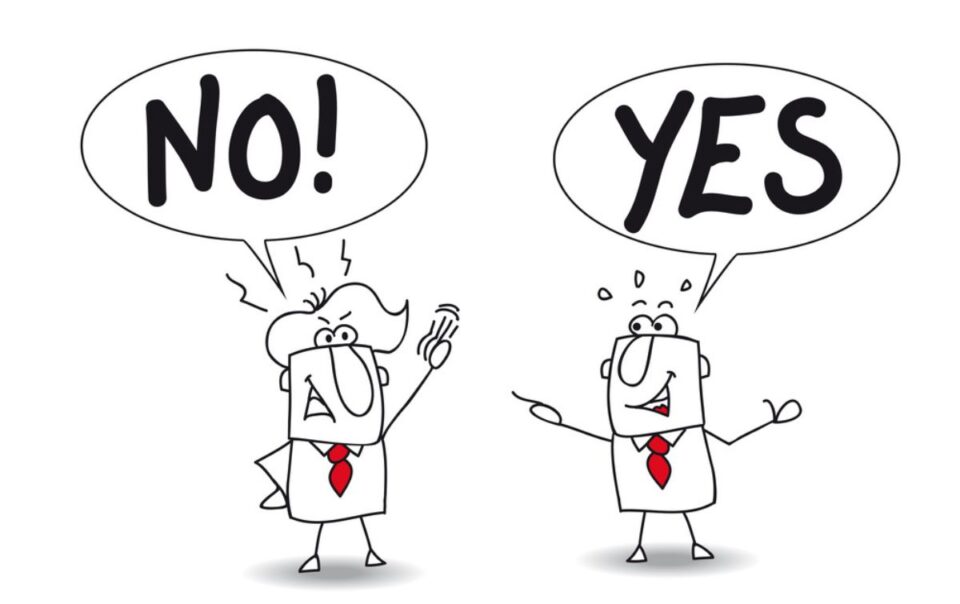
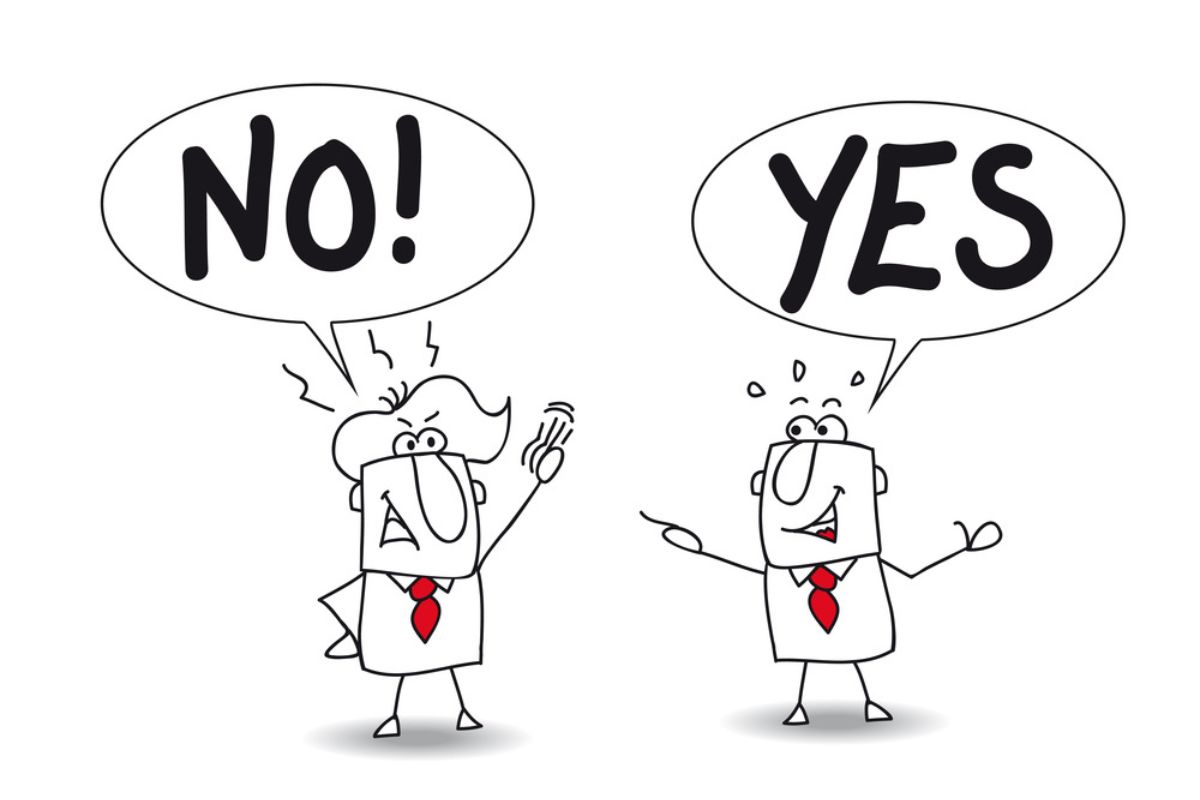
So give it a go and just say “NO!” That way – when you say “yes” – you will truly mean it!